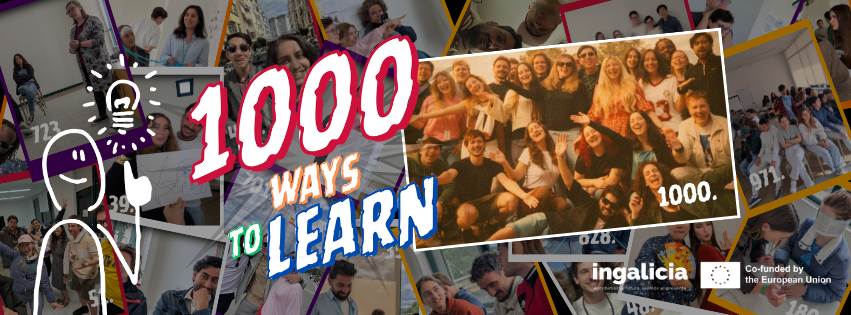
1000 WAYS TO LEARN

DAY 1: Teambuilding & Introduction
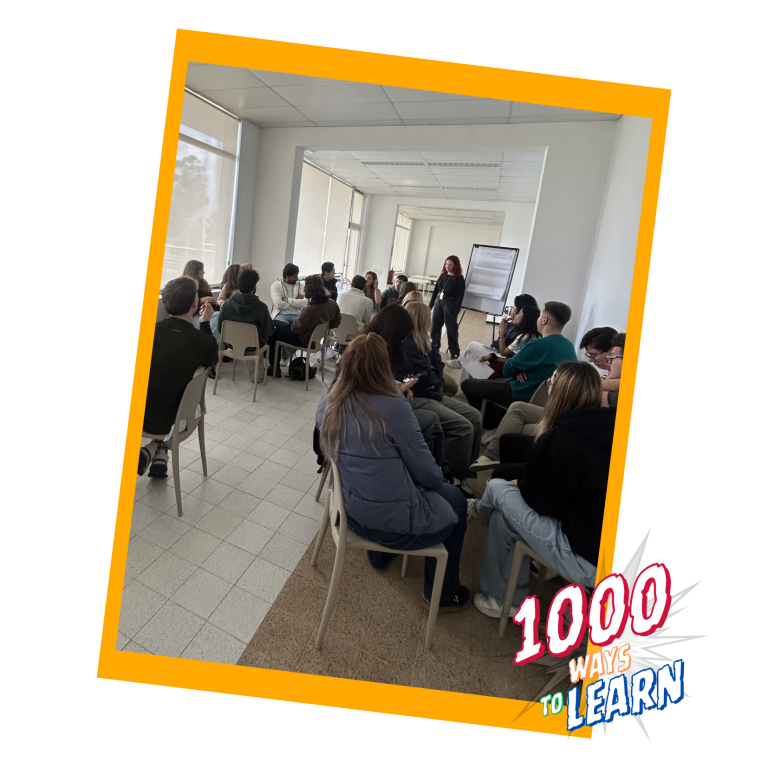
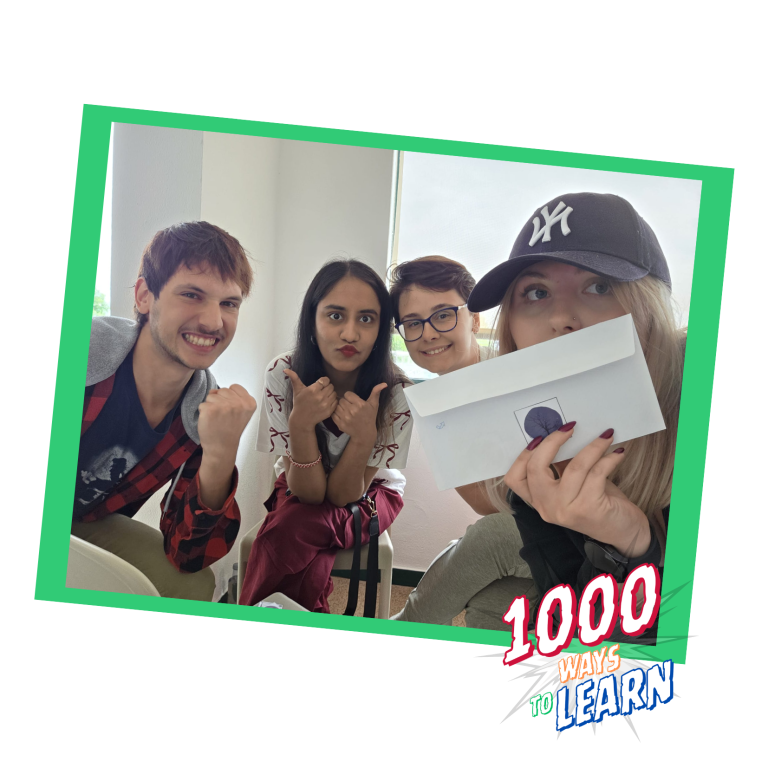
The first day was the moment to break the ice, get to know each other and start discovering the topic of Non Formal Education. What is it? How is it different from formal or informal education? And what are the main elements that define it? Participants challenged themselves with a special “mission impossible” to begin exploring the topic, and discovered the world of European Mobility Opportunities through a fun escape game.
DAY 2: Games
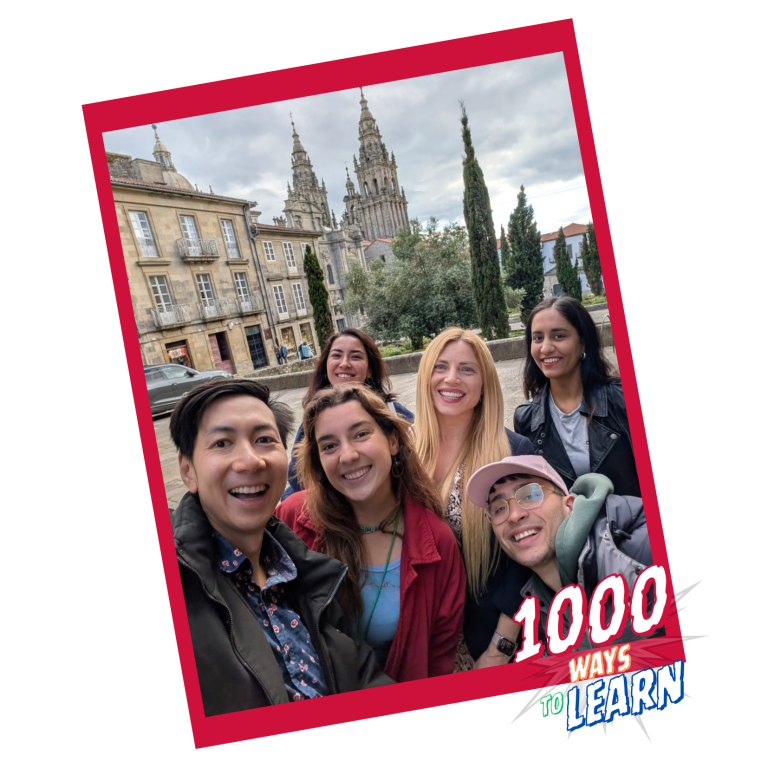
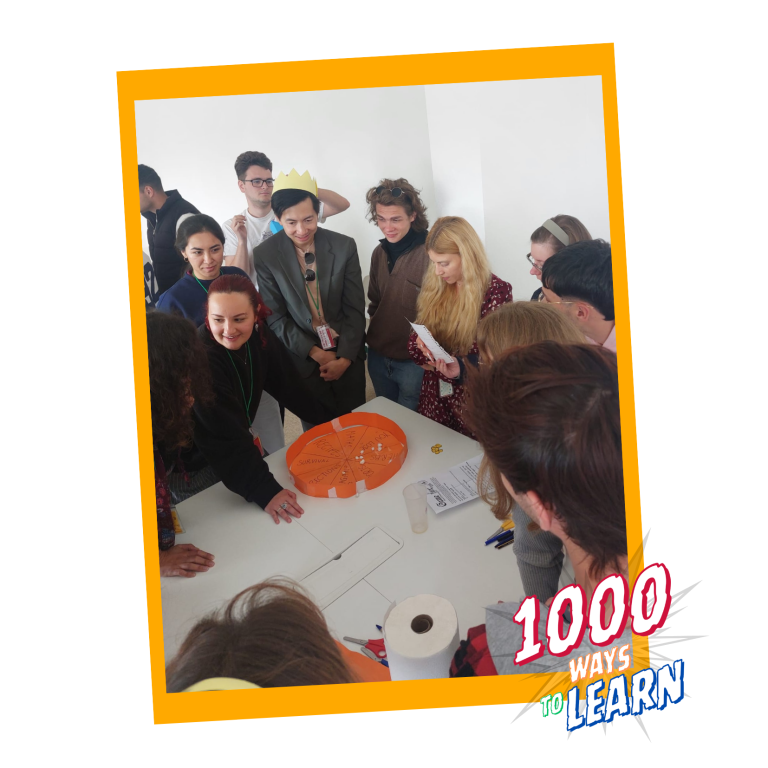
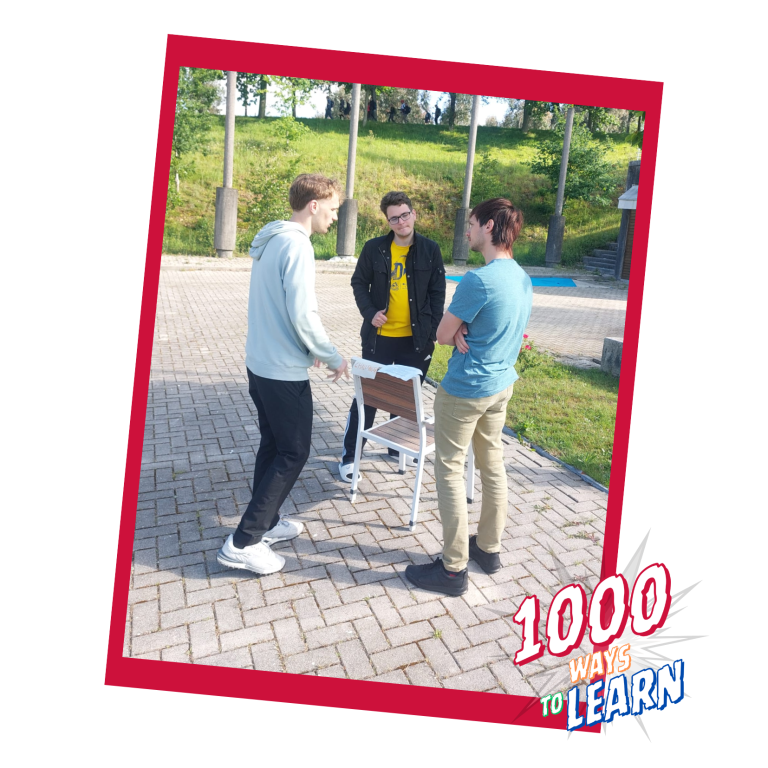
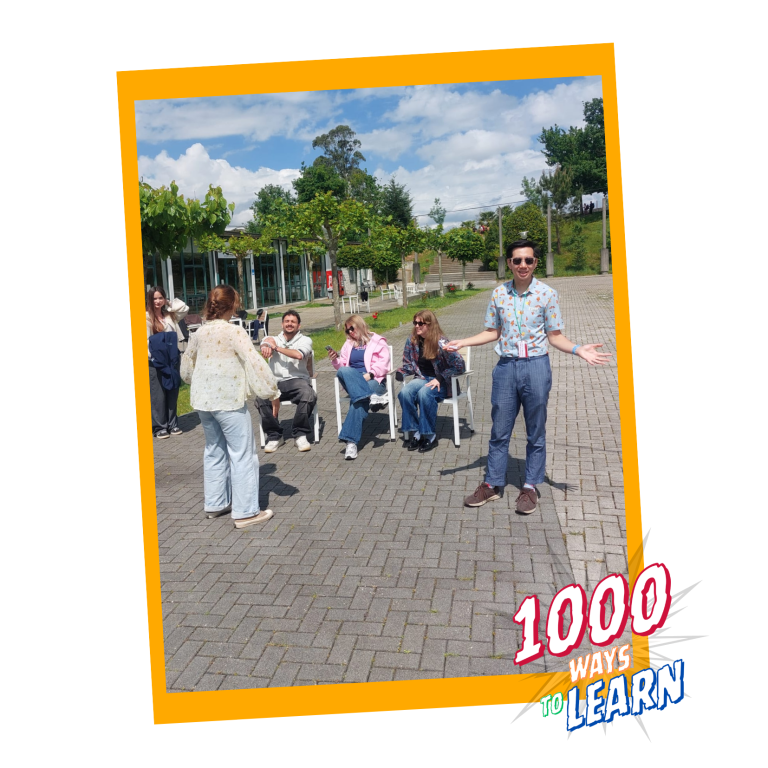
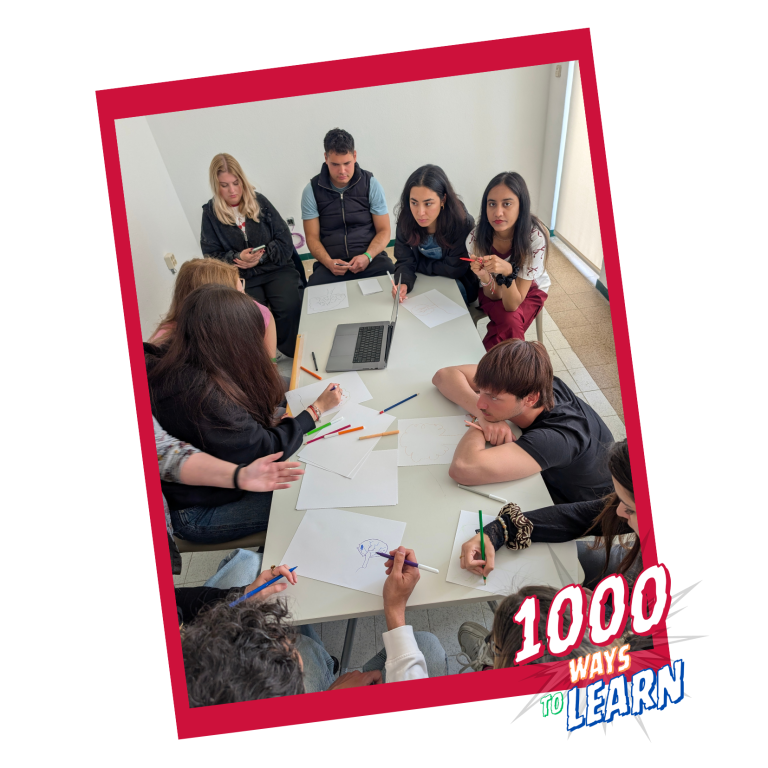
The second day was all about games, one of the first ways in which we learn in our lives. We began with a trip back to our childhood, thinking back about the games we used to play and sharing them with the participants from other countries. What did we learn from those games? What did they teach us about ourselves? We then continued the morning with a game that sparked the discussion between the value of cooperation and competition in our lives. In the afternoon, in the fictional context of a trip back to medieval Santiago, participants had the first facilitating challenge of the week: they became game designers, and built entire games from scratch to entertain visitors in a “Game Fair” organised by them.
DAY 3: Teamwork
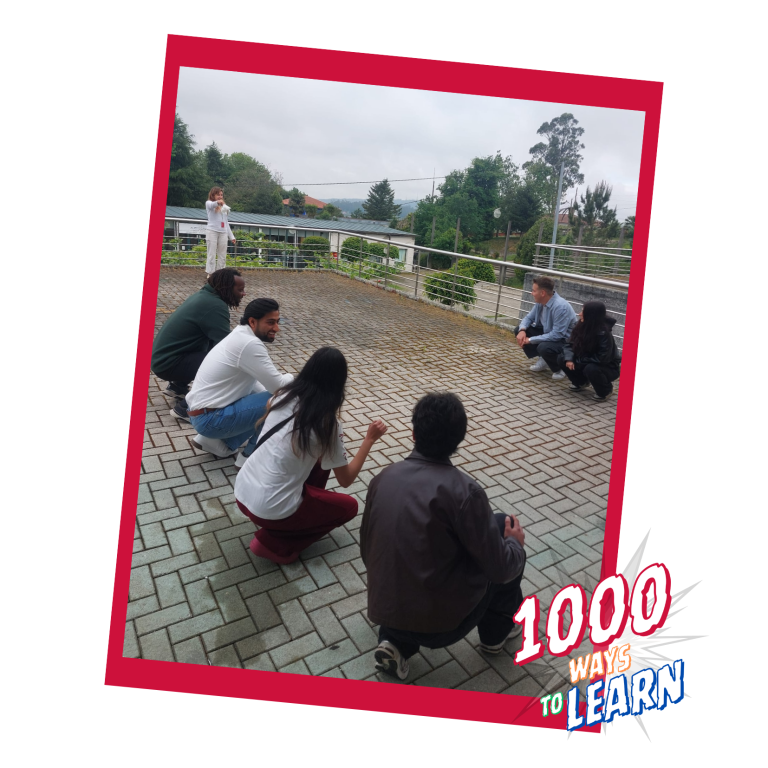
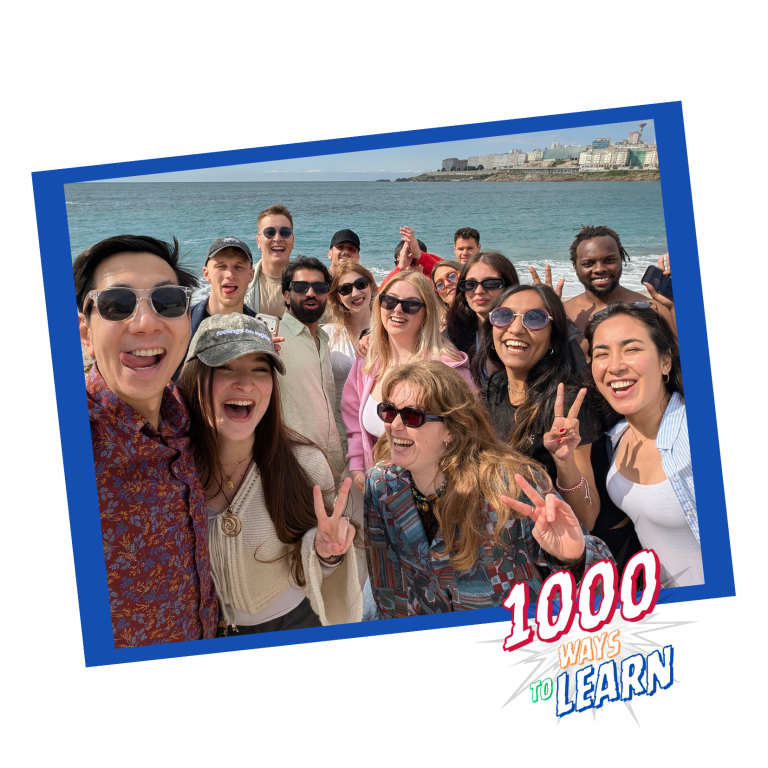
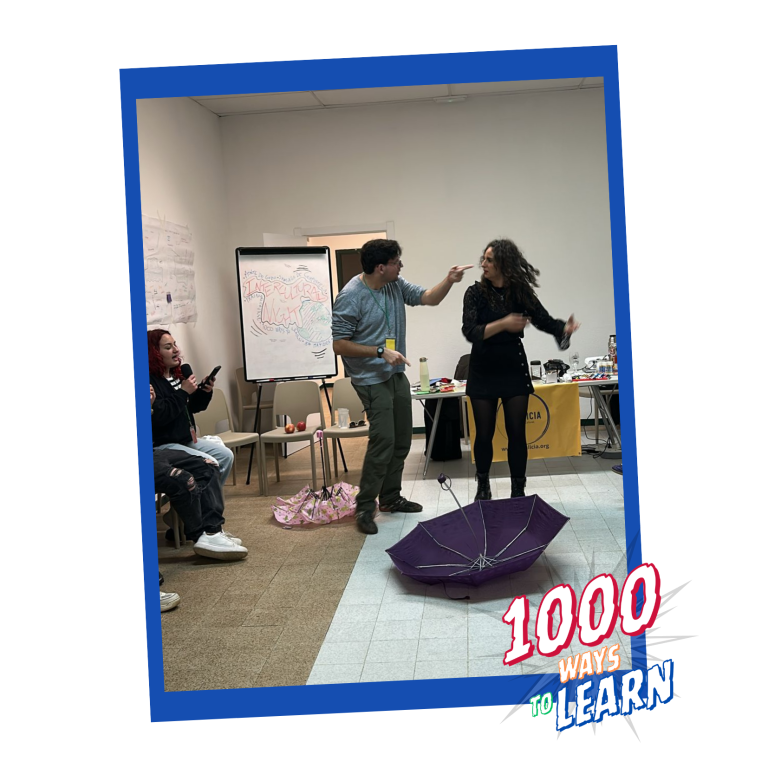
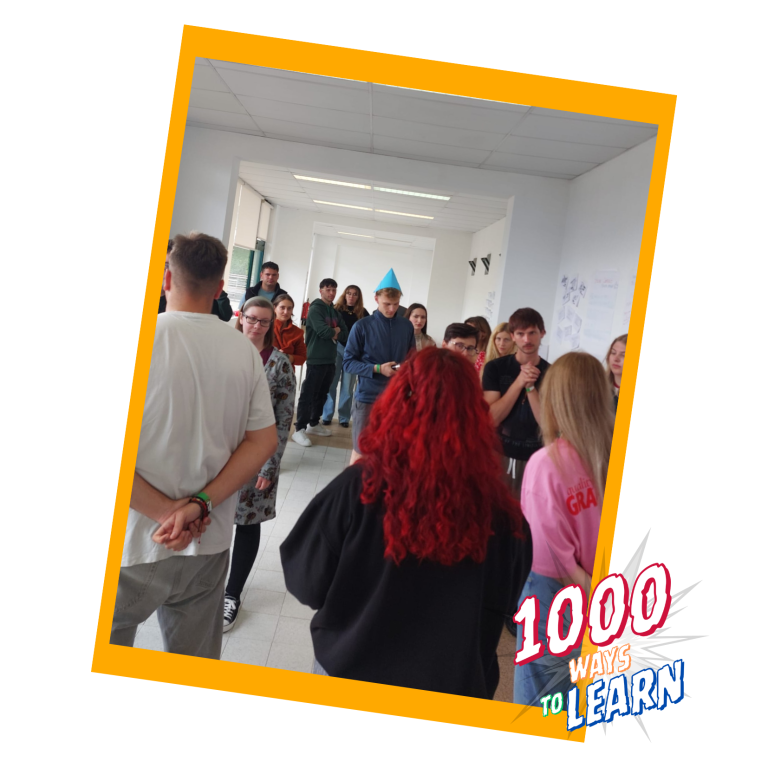
The third day was all about a very important topic: teamwork. We started with a group challenge (find the fastest way to make everyone pass through a circle of rope) that made us reflect on the topic, and then proceeded with discovering the different roles we can have when we are in a group: do we recognize ourselves mostly in one role or do we tend to change depending on the context? Another topic was how to conciliate our own individual goals with the common one of the group. We also played some improv theatre games to reflect about the value of flexibility, and we had a little roleplay problem-solving to reflect on how to deal with problems that can occur organising activities. In the afternoon, participants had some time to travel to A Coruña and discover the city.
DAY 4: Culture & Self-Exploration
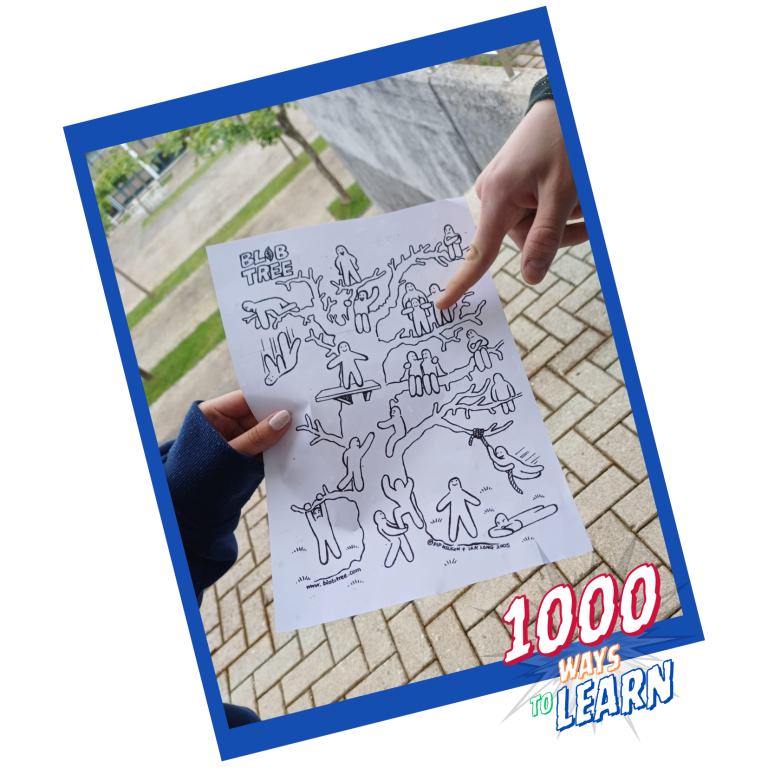
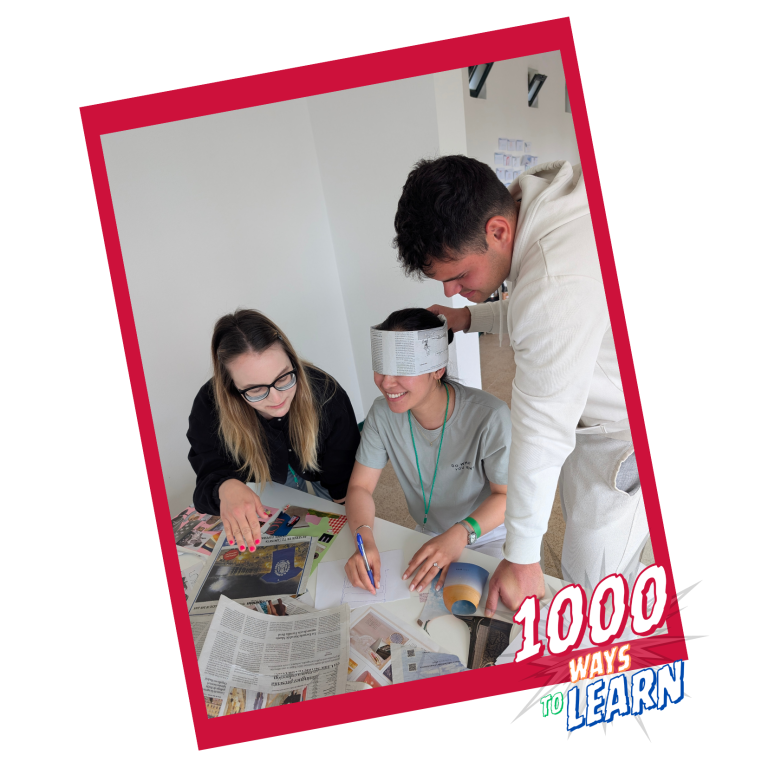
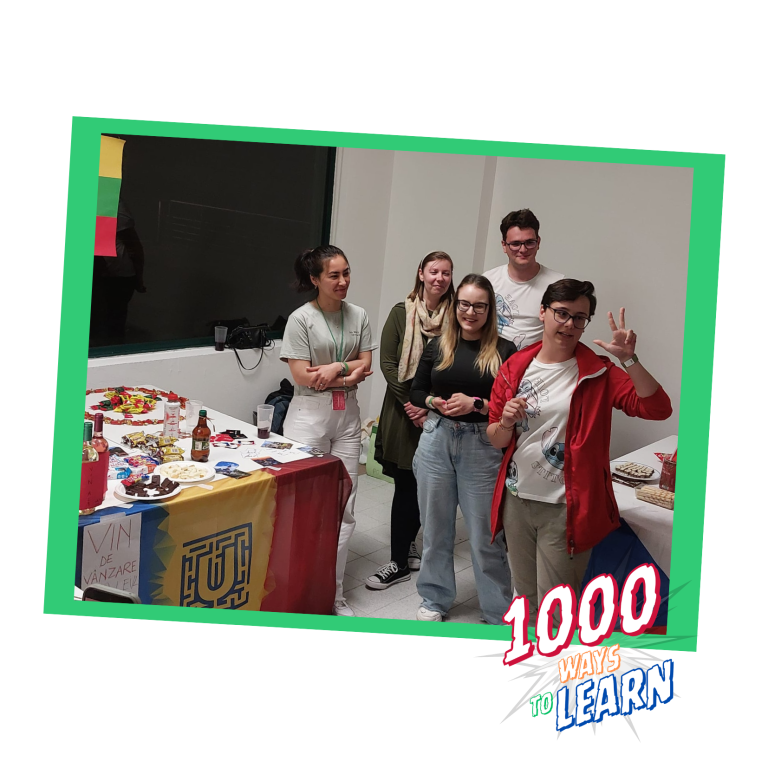
The fourth day started with a special card game where rules changed at each table that sparked a very interesting debate about interculturality. What is culture shock? Have we ever experienced it? We also tried to apply this topic to the organisation of activities, talking about how to accommodate in the same group the needs of different types of participants. Then, we touched the second topic of the day, self exploration. We had a beautiful creative writing session and then we created collages and moodboards trying to find ourselves in pictures from magazines. Finally, participants had another challenge: create a 20min activity about the topics of the day and facilitate it for the rest of the group. In the evening, we then had a very fun and inspiring intercultural night.
DAY 5: Communication & Peer Learning
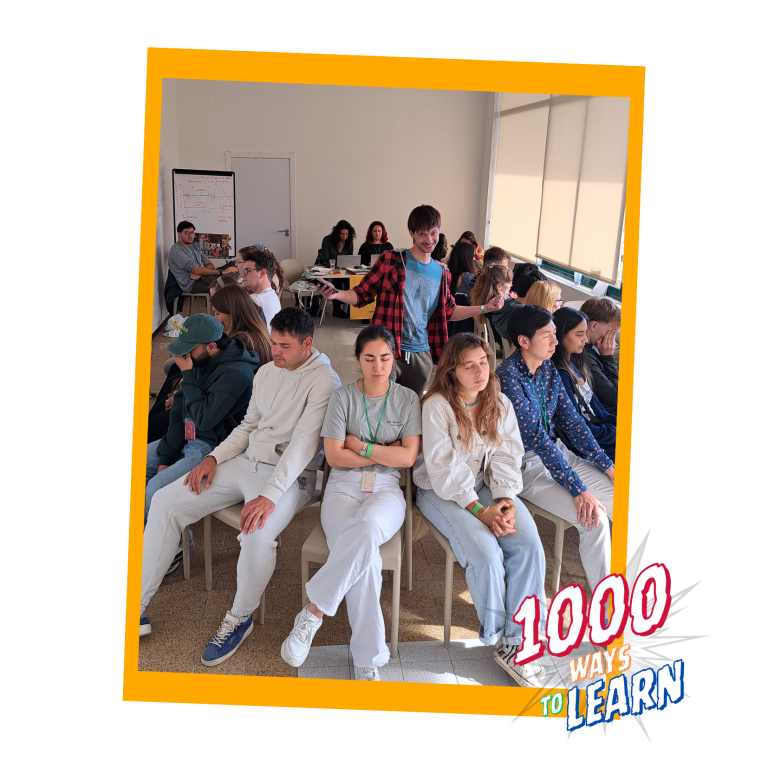
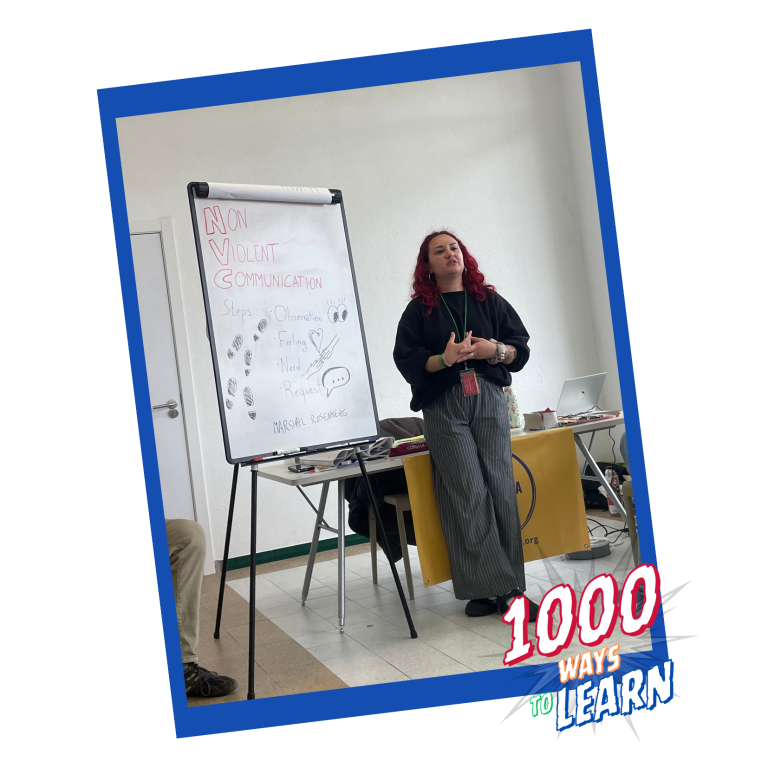
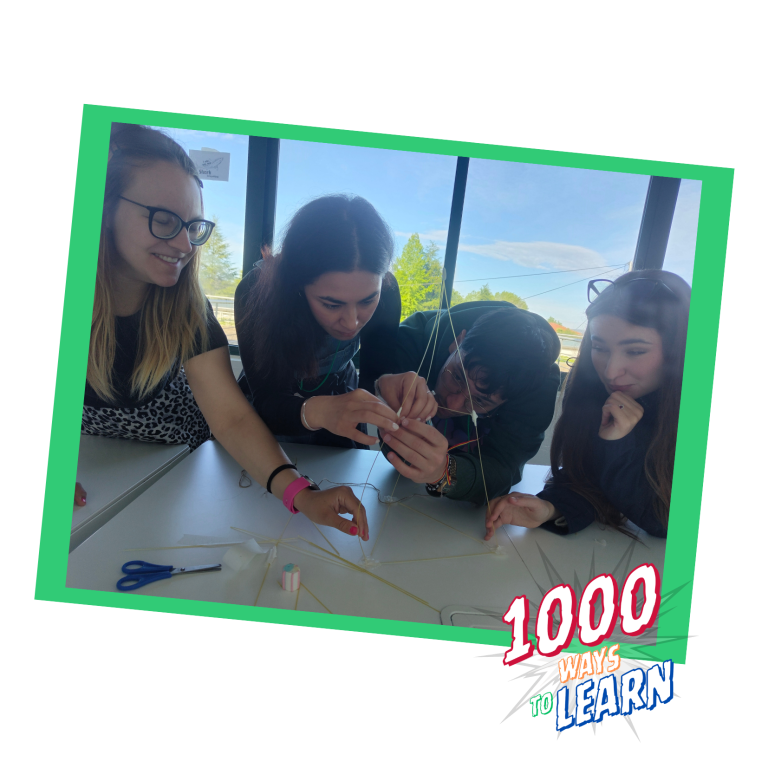
This day was about communication, an extremely important topic when working and living together. We started with a reinterpretation of the classic “spaghetti tower challenge” where in each team half of the people were left outside at the beginning and joined gradually, to reflect at the same time on both trust and inclusion. Then, we learned about different conflict management strategies (represented by different animals). We then brainstormed on tips and tricks to keep in mind for public speaking, and we listened to the voices of all participants in short speeches that they had time to prepare. In the afternoon we had a beautiful peer learning session in the format of an Open Space with activities proposed by participants. Finally, we closed the day introducing the important concept of Non Violent Communication.
DAY 6: Our Learning Journey
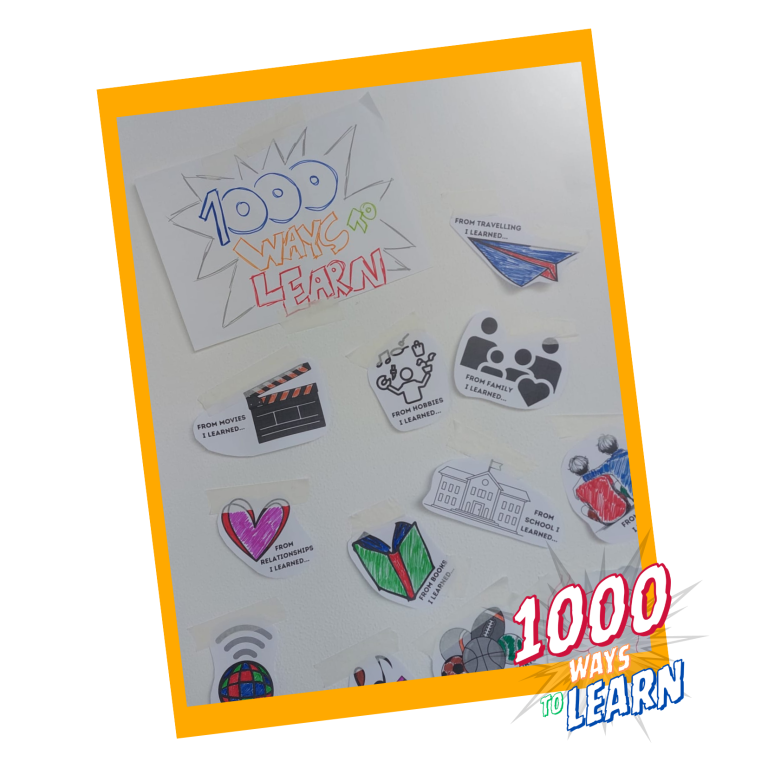
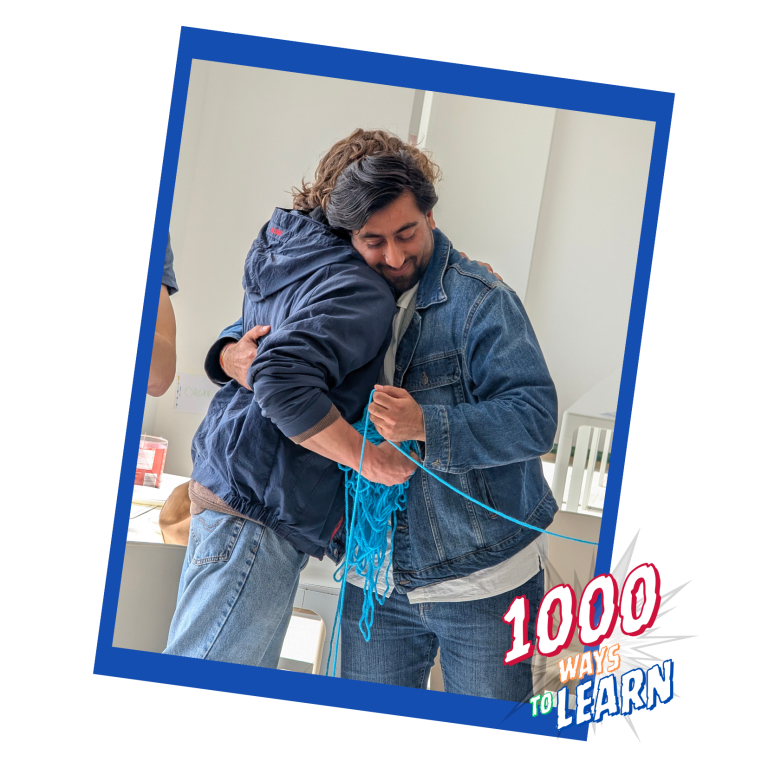
The last day was all about our learning journey and how to bring the things experienced during the week outside the context of the training course. It started with an activity to explore all the different ways in which we can learn in our lives (“1000 ways to learn”) and a discussion about our personal experience with education: how was the educational journey in our countries? Did non-formal education find a space? And how can we spread the value of non formal education in society more in general? We then created some dissemination videos, learned about the Youthpass and how to valorize the competences acquired and closed the day and the project with a very emotional moment around a ball of wool.
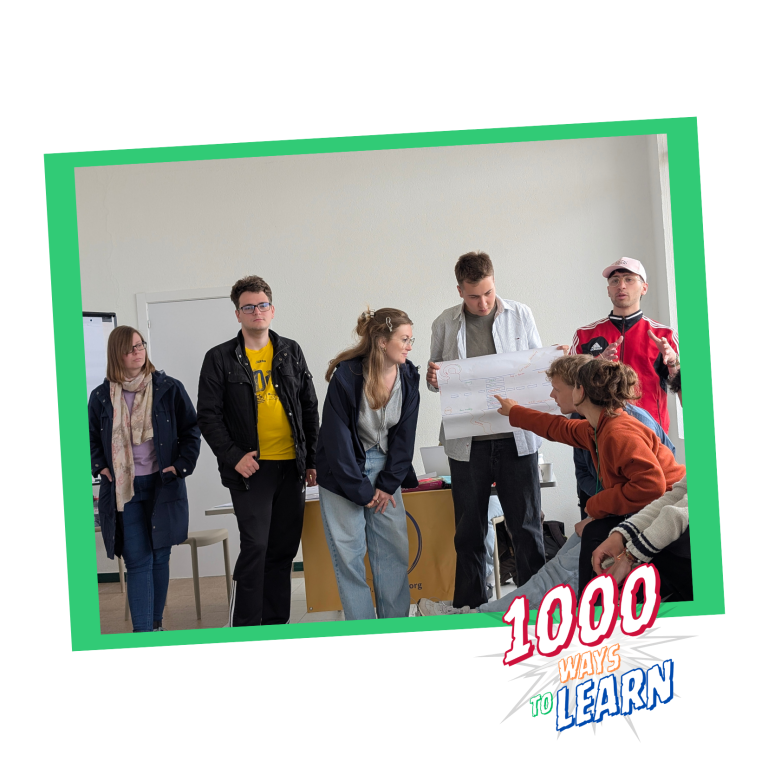
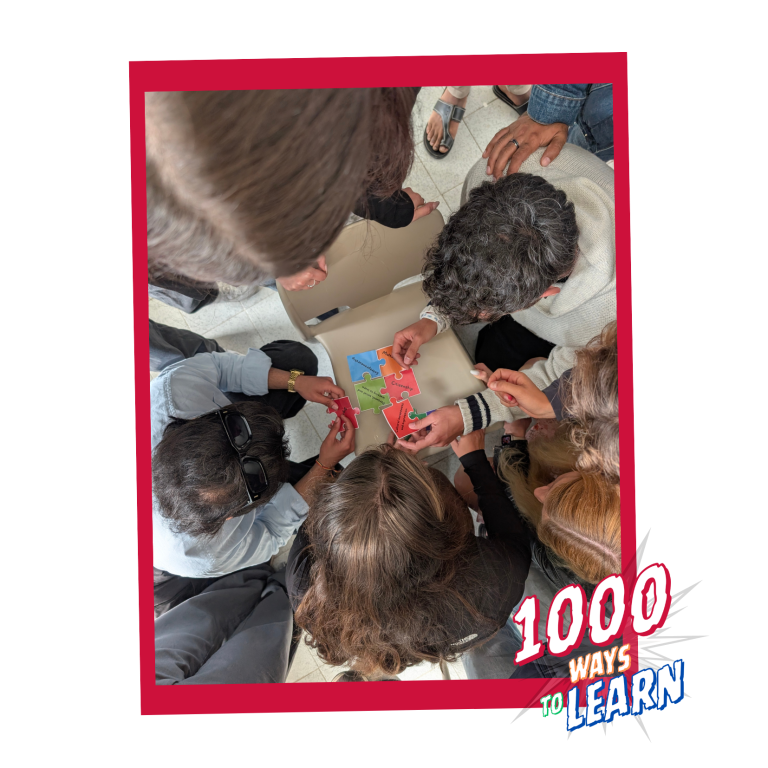

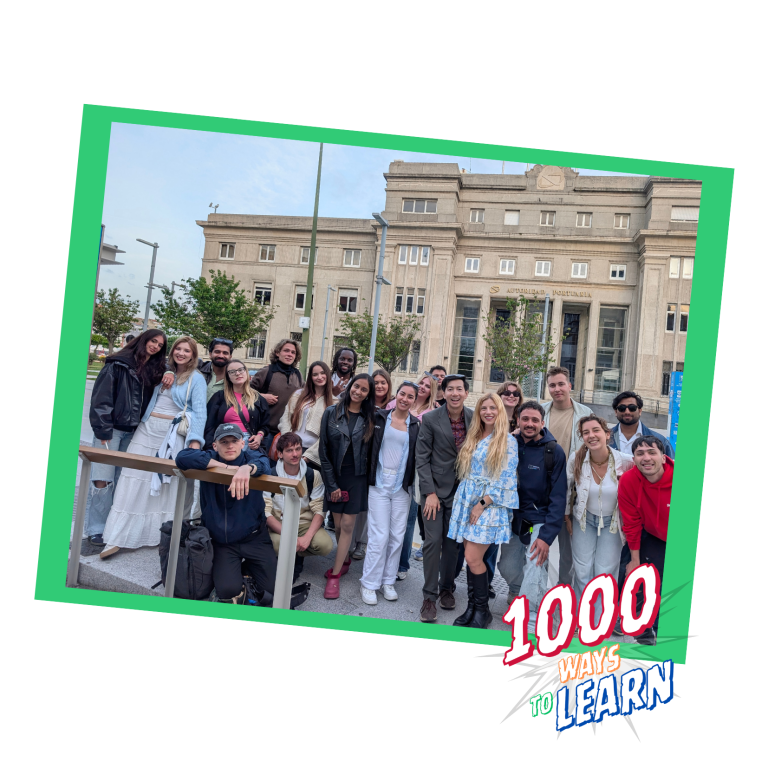
The training course “1000 Ways to Learn” was a great experience both for organisers and participants, an occasion to learn a lot and have much fun all together. The six days of activities were a way to explore many topics and offered occasions for participants to challenge themselves in designing and facilitating activities in English for different groups. It was an occasion to share our stories and cultures, learn from the experiences of each other and improve in many different ways. At the end of the week, participants went home to their home country with a new bag of tools and ideas to organise better activities in their contexts, to become better facilitators and spread awareness on the value of non formal education in their respective communities.
Because there really are 1000 ways to learn, and in this project we had the chance to experience quite a few of them.